Things to Check in Your Home During the Rainy Season
 PropertyAccess Team
It seems before we’ve fully recovered from one storm or days of non-stop downpours, in come more rains and, often, flooding in our towns and cities. And it’s the latter that affects even those who live in high-rise buildings.
So whether you live in a bungalow, a two-storey house, or a condo, see to it that your home is rain-proofed. Here are some things you may want to look into:

1. Roof leaks
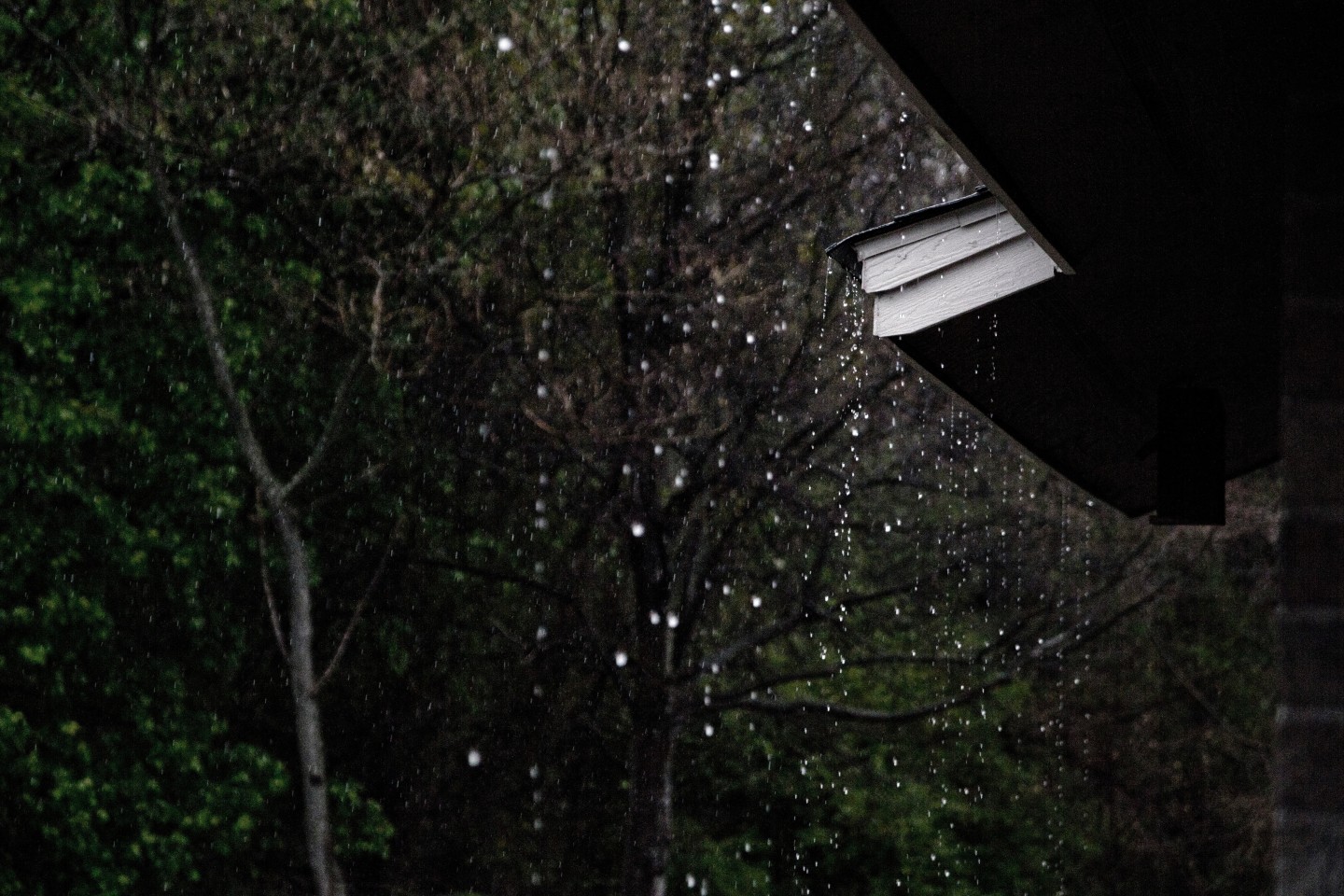
Unfortunately, you would only know you have roof leaks once it starts to rain heavily and your ceiling starts to drip. When it does, move anything that mustn’t get wet out of its way and place a bucket to catch the leak so the water doesn’t spread to other parts of your house. Once the rain stops, check the roof for where the leak comes from and plug it immediately using sealants before it starts raining again. You can also try quick-dry water stoppers if they work. And while plugging the leak just from inside the house may work, Architect Anthony Yan tells Real Living, “But it will be more challenging to identify the leak if it comes from the edges and crawls through the ceiling, especially if you have a drop or high ceiling.”
2. Roof gutters and downspouts should be clog free
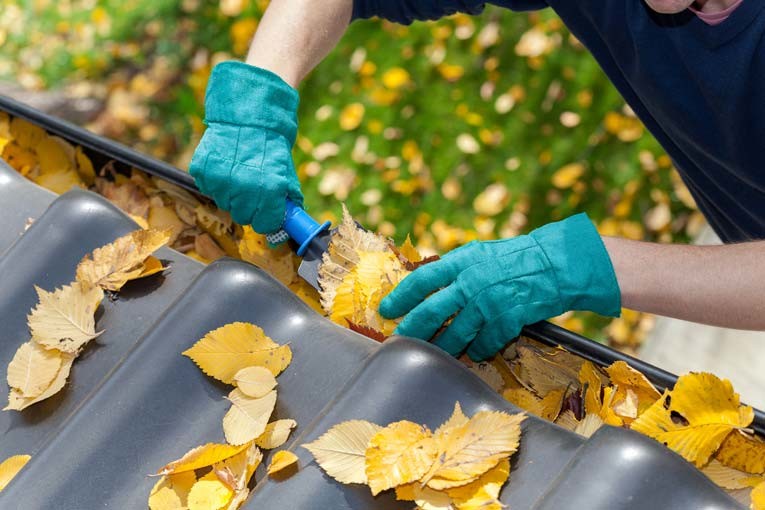
Roof gutters, especially interior ones, are another possible suspect for leaks at the corner of the ceiling down to your walls, so you have to make sure they are clog free. According to Hometips.com, “When gutters and downspouts clog with leaves and debris, water overflows and spills down where it can damage walls and footings…If your house is beneath many trees, it’s smart to clear the gutters at the beginning of the season, and then clean them again after the first rain to remove leaves and debris that wash down from the roof… Fix loose, sagging, or leaking gutters and make sure downspouts carry drainage well away from the house.”
3. Water marks and moist spots
Like the roof, it’s only when it’s already raining hard that we start to realize that other parts of our house have leaks and drips from possible cracks, damage, or holes on the house siding, the corner of the ceiling, or a problematic interior gutter. Sometimes, they don’t even materialize in actual drips, but are indicated through wet spots on the ceiling and moisture on the walls. Architect Allen Obleña advises Real Living, “This cannot be readily remedied during rainy days, but this would give us enough time to save up for repairs during dryer season.” When you already can, “Seal up leaks with paintable or clear caulk. Make sure the paint is in good condition. If it isn’t, consider getting the house painted,” says hometips.com.
4. Secure windows and doors
Sometimes, the rain comes in through slits on your windows and doors, and you only realize this when, again, it’s already pouring. In the meantime, place rags where the water seems to be entering, then when the weather’s dry, consider weatherstripping or switching to storm doors, according to Hometips.com.
5. Spots where water collects on your floor
Homeowners in Metro Manila, where flooding is rampant, should particularly be wary of this. Monitor if water collects where the ground meets your house and in other parts of your floor. Seek professional help for the best way to address the damage and how it may be remedied. You may need to consider having your entire floor redone and possibly elevated during the dry season if it gets worse.
6. Insects
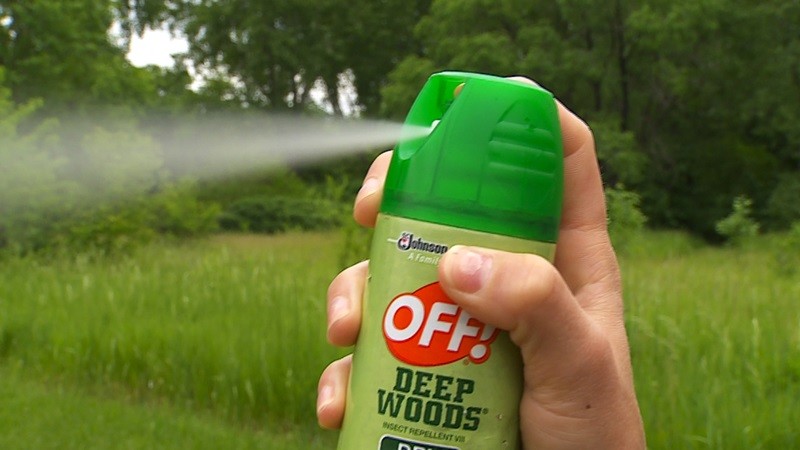
During rainy season, we also need to watch out for an influx of ants, termites, flies, mosquitoes, and other bugs that enter our home. Be wary of wooden furniture and decor as well as paper and cartons that get wet because of their proximity to windows and doors; these may attract termites that would wreak havoc in your home. Also, don’t leave stale water (i.e. from leak buckets) lying around the house, as these can attract more mosquitos and put your family at risk of dengue. Here’s a tip for keeping them at bay from Free Press Journal: “You can use natural ways like frankincense to eradicate them or the standard use of chemical formulas like bug sprays, electric wicks, and more. If there is a massive infestation, a professional can help you better.”
7. Bad odor from damp clothes and furniture
When it’s raining, rains bring moisture into the house and leave pillows, sofas, other furniture, and even walls damp. Worse, even our laundry dries slower or remains damp longer. These in turn leave a bad odor not just on these items but throughout the whole house. Always check for damp items, and follow these suggestions from Free Press Journal: “Since sunlight is minimal during monsoon, you can replace heavy drapes and substitute for a lighter fabric which is more translucent… Keep an air diffuser or potpourri to make sure your home smells fresh and clean. The exteriors can be protected with commercial size plastic sheets to avoid the water splashing on walls or entering inside during heavy rains.”
8. Trees close to your home
If you have trees around your home, try to trim the branches that have become weakened and weighed down by rainwater and may fall on your car, window, roof, or worse, a person when there are strong winds during a storm.
9. Emergency kits
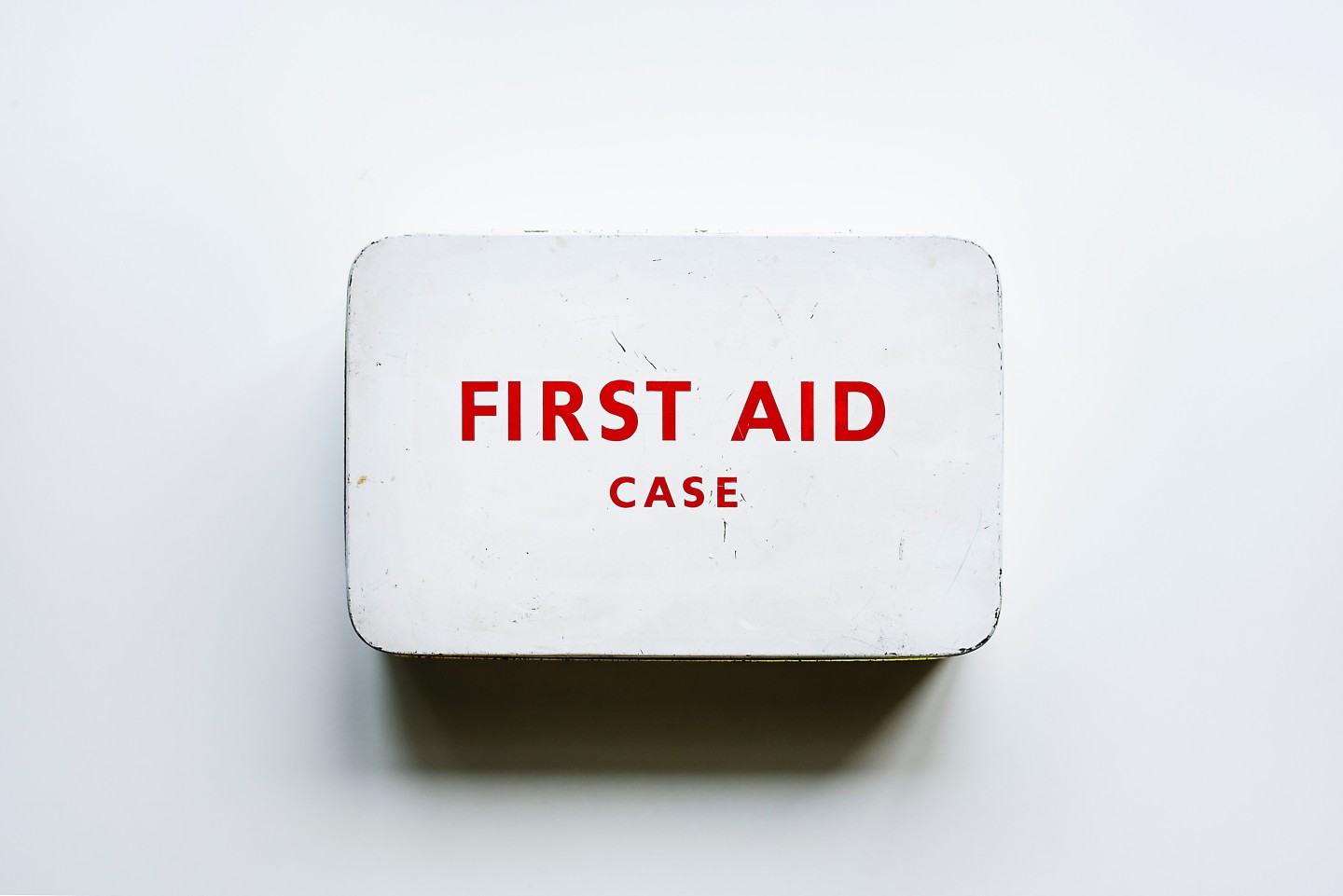
Check if your home has an emergency kit. If you don’t have one yet, prepare one in case heavy rains, flooding, and storms will render you unable to head out for supplies or in case of the worst, while you wait for rescuers. “Your kit should include basic necessities like ready-to-eat food, batteries, first-aid kits, and others, as well as important documents,” lists Real Living. If you already have one, check the expiration date on perishable items and replace those that have gone bad.


