When’s The Best Time To Exercise?
 PropertyAccess Team
There’s no one answer to this question because it varies from person to person, as each one has his own fitness goals, motivations, schedules, peak times, preferences, and even locations. Find the best time for YOU to work out—one that you can stick to—based on these factors below:
Whenever the gym is less crowded
It can be discouraging, not to mention a complete waste of time, to work out when the gym is crowded and you have to wait for your turn to use each machine. So if you can, work out when there’s less people to compete with for equipment and distract you. PopSugar reiterates, “avoiding peak times at the gym can get you in and out faster…take note of more surprising days and times when the crowds are sparse.” Down times vary from gym to gym.
Early morning
According to researchers from Appalachian State University, the perfect time to exercise is 7AM, as Newsweek reports. “The team noticed that people who scheduled their gym time at this hour lowered their blood pressure by about 10 percent, which remained consistently lower throughout the day. These early risers also had a 25-percent decrease in their blood pressure at night. Plus, they slept for longer periods of time compared to those who exercised at various times.”
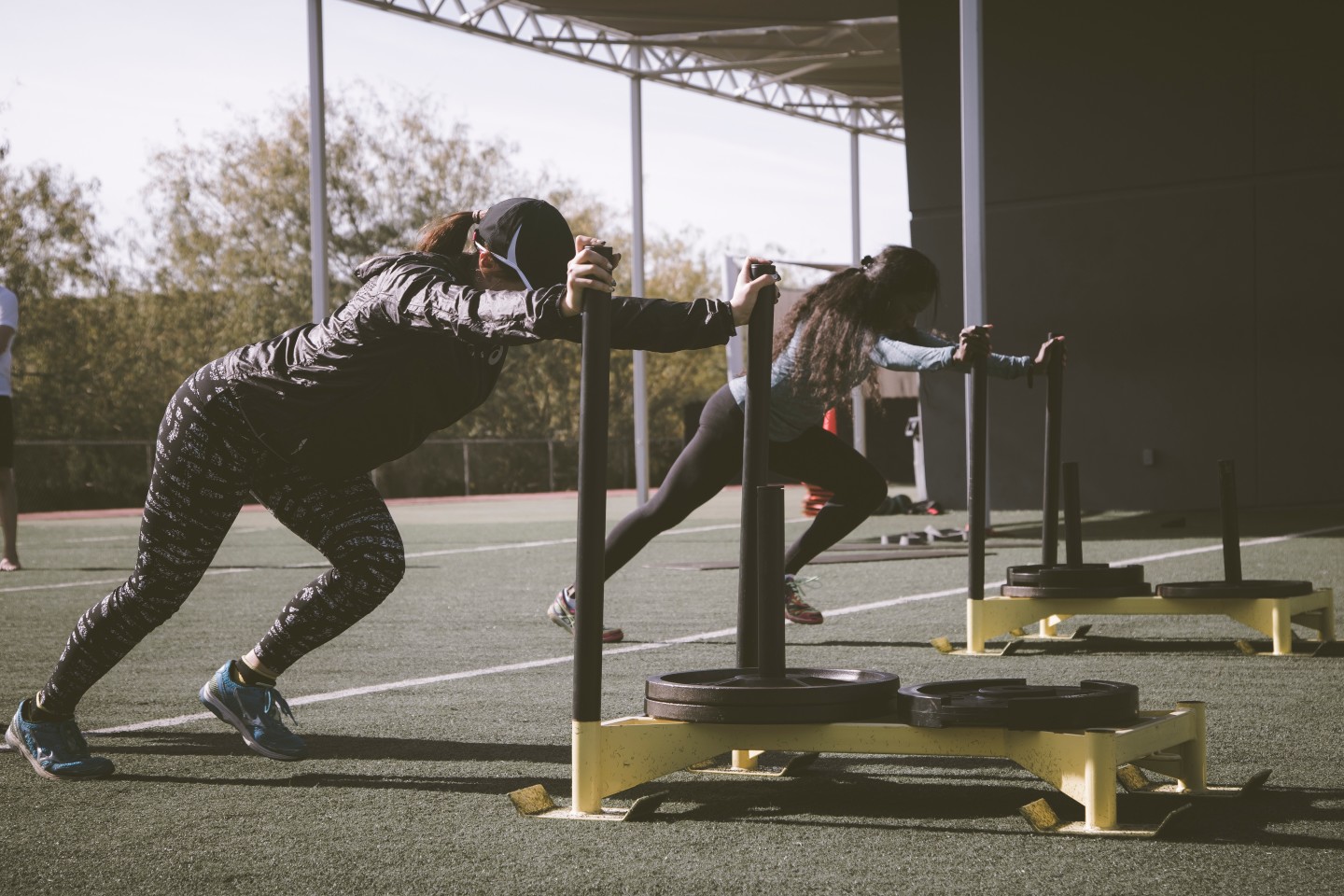
Working out first thing in the morning is also best for getting it out of the way—this is for people who think they may no longer have the energy or willpower to exercise after a long day at work. Weight loss also happens to be one of the perks of working out before breakfast, according to Greatist: “one study found that 45 minutes of moderate morning exercise (like walking briskly on the treadmill) helped curb appetite directly after working out. Research also shows that people can burn up to 20 percent more body fat exercising on an empty stomach—much easier to do first thing in the a.m. than at night.”
Mid-morning, AFTER early birds have gone to work
If you have flexible hours, one definite time when the gym is least crowded is late morning on a weekday while everyone else is at work. “I’m a big fan of circuit training, which is difficult to do when every single piece of equipment is being used. Avoid the after-work rush whenever possible, as that tends to be more frustrating than productive. Your workout shouldn’t last longer than 45 minutes. If you’re not dead tired by then, you weren’t pushing yourself hard enough…I love lifting weights, so I do what I can to get in and out of there quickly,” shares NerdFitness.com.
Another perk of working out at this time is you’re wide awake and have had at least one meal to fuel your activity.
During lunch
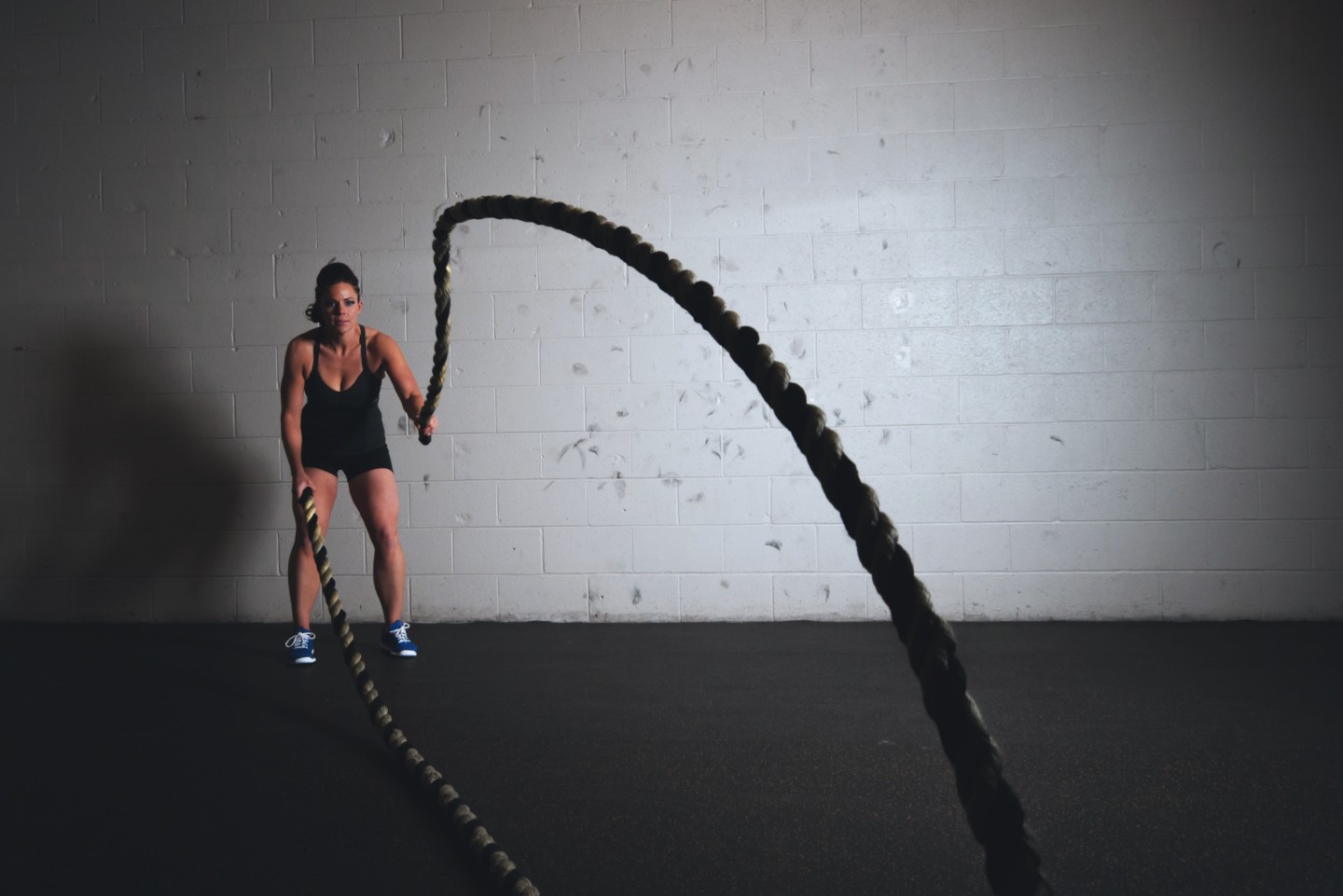
There are many advocates of a lunch time workout, for various reasons. A lot of the lunch gym-goers have trouble yanking themselves out of bed for a morning workout or don’t have the time to spare after work—or both. Some also enjoy the pick-me-up they get from a midday sweat session, which helps them battle the midday slump. “This workout will up your heart rate and give your body the energy it needs to get you through the rest of your day,” according to Men’s Health.
It also has several other perks, according to PopSugar: “The best way to combat work-related weight gain — not to mention on-the-job stress — is to work out in the middle of your workday. We know cramming a sweat session into your lunch hour often involves some serious logistics, but with a little planning, leaving your desk at noon won't create stresses of its own.”
To make this fit into your schedule, take a 30- to 45-minute lunch hour class, like circuit, spinning, or yoga. “If you're in a cardio mood, maximize your treadmill time with interval workouts. Playing with the speed burns more calories than working at a steady pace,” suggests PopSugar.
Late afternoon
Experts claim late afternoon can also be the best time to work out because this is when body temperature is highest, according to Greatist. “Your body’s core temperature is an important factor in determining the quality of exercise. A cold body leaves muscles stiff, inefficient, and susceptible to sprains, whereas higher body temperatures leave muscles more flexible. Body temperature typically increases throughout the day, so muscle strength and endurance may peak in the late afternoon… The afternoon is also when reaction time is quickest and heart rate and blood pressure are lowest, all of which combine to improve performance and reduce the overall likelihood of injury.”
Early evening
Don’t worry if after work is the only time you have to work out—a lot of people follow the same schedule and it has its own set of benefits too, especially if you do strength training, indoor cycling, dance workouts, or running at 6PM. As Self reports, “Research has shown we can go up to 20 percent longer in the evenings, and at a higher intensity. Performance peaks 11 hours after waking for late risers, per a new study from England's University of Birmingham. (Even early birds fare better later: They did best aerobically about six hours after waking.) And when you can go harder, longer, faster, stronger, you'll see the payoff quicker.” They also cite research that claims late-day workouts are more effective and can help you tone faster.

Late at night
Some people like to work out before turning in for the night so they can reserve their last burst of energy for it and rest completely after. The perk? It helps you sleep better. This is especially practical for those whose gyms are close to their home or are right at their building—workout, shower, hit the sheets. It’s a plus that right before the gym closes also happens to be one of the least crowded times.
Just remember to finish your workout at least three hours before bed, according to PopSugar. “To make sure you're well rested for your next workout, be sure to wind down your physical activity at least three hours before your bedtime, since it can take that long for your body to cool down and your heart rate to slow.”


